
Sleep is more than just duration. It is about timing. The best time to sleep helps your body complete natural sleep cycles and regulate your circadian rhythm for deeper rest and better mornings.
Best Time to Sleep Based on Wake-Up Time
| Wake-Up Time | Best Time to Sleep (5 Cycles) | Best Time to Sleep (6 Cycles) |
|---|---|---|
| 6:00 AM | 10:15 PM | 8:45 PM |
| 7:00 AM | 11:15 PM | 9:45 PM |
| 8:00 AM | 12:15 AM | 10:45 PM |
| 9:00 AM | 1:15 AM | 11:45 PM |
Finding your best time to sleep isn't about following a generic rule like "everyone needs 8 hours." True sleep optimization is about aligning your bedtime with your biological sleep cycles and your specific wake-up requirements.
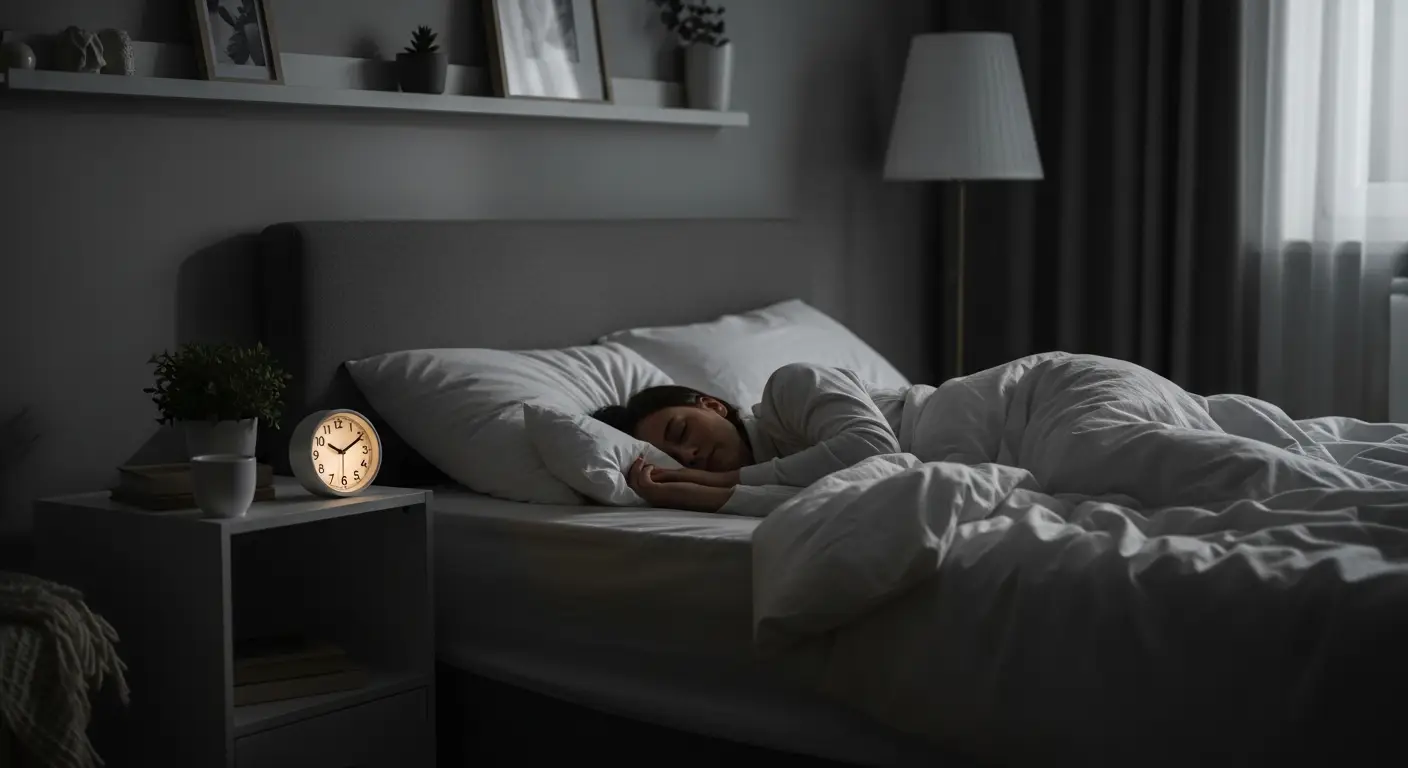
The best time to sleep aligns with your natural sleep cycles and circadian rhythm. Instead of focusing only on total hours, going to bed at the right time helps you complete full sleep cycles and wake up refreshed without grogginess.
How to Find Your Best Time to Sleep:
- Choose a consistent wake-up time
- Count backward in 90-minute sleep cycles
- Add 15–20 minutes to fall asleep
- Test and adjust based on morning energy
Why Sleep Timing Matters
Your sleep is organized into repeating 90-minute cycles — each including light sleep, deep sleep, and REM sleep. Waking up at the end of a cycle helps you avoid sleep inertia (that groggy feeling you get when waking from deep sleep). To understands the mechanics, explore our sleep cycle science guide.
For more on mastering your mornings, check out our guide on morning energy boosters or optimize your routine with the ultimate sleep hygiene guide.
Consistent sleep timing reinforces your internal clock (circadian rhythm), improves memory consolidation, supports immune function, and enhances mood and overall health. For a deeper dive into the mechanics of rest, check out our sleep calculator guide or learn about our nap calculator.
How to Find Your Best Time to Sleep (Step-by-Step)
Determine Your Wake-Up Time
What time do you need to be awake? Whether it is for work, school, or personal routine, this is your anchor point. Consistency is key here try to keep this time within a 30-minute window, even on weekends.

Anchor your sleep schedule to the time you must wake up consistently. This is your biological anchor point.
Add Fall-Asleep Time
Most people take 15–20 minutes to fall asleep, so plan to be in bed earlier than your calculated bedtime.

Subtract Sleep Cycles
Subtract multiples of 90 minutes from your wake time. Most adults benefit from 4–6 cycles (roughly 6–9 hours).

To find your own specific times, use our sleep cycle calculator or determine your nap timing calculator window.
Example Sleep Schedules
| Wake-Up Time | 5 Cycles (7.5 hrs) | 6 Cycles (9 hrs) | Recommended Bedtime* |
|---|---|---|---|
| 6:00 AM | 10:15 PM | 8:45 PM | 10:15–10:30 PM |
| 7:00 AM | 11:15 PM | 9:45 PM | 11:15–11:30 PM |
| 8:00 AM | 12:15 AM | 10:45 PM | 12:15–12:30 AM |
*Includes 15 minutes to fall asleep.
How Much Sleep Do You Really Need?
Most adults should aim for 7–9 hours of sleep per night, which generally equates to 4–6 complete sleep cycles. Younger people may need more, while older adults may need slightly less.
Focusing on quality and timing often beats simply chasing a number of hours. If you wake up refreshed without an alarm, you've likely found your sweet spot.
Early vs. Late Bedtime: Which Is Better?
Early Sleep (9–10 PM)
- Aligns with natural melatonin release
- Supports deeper slow-wave sleep
- Fits early wake-up schedules
Late Sleep (11 PM–1 AM)
- May suit natural night owls
- Effective if cycles are consistent
- Requires dark morning environment
There is no universal best. It is about the balance between your schedule, biology, and sleep arousal zones.
Chronotype and Personal Factors
Your Natural Sleep Tendency
People fall into chronotypes (morning, evening, or intermediate). Your natural rhythm influences when you feel sleepy and awake. Adjust your bedtime gradually to match your chronotype without disrupting consistency.
Environment & Habits That Improve Sleep Timing
- Avoid blue light 1–2 hours before bed to help melatonin release.
- Keep it cool: Your bedroom should be roughly 60–67°F (15–19°C).
- Cut caffeine: Avoid stimulants after mid-afternoon.
- Wind down: Establish a routine like reading or light stretching.
Final Thoughts: Sleep Timing Is Personalized
The best time to sleep varies between individuals but can be vastly improved by syncing with your natural cycles and consistently applying smart sleep hygiene. Use the best wake up time to find your ideal bedtime tailored to your wake-up time and preferences.
Frequently Asked Questions
Calculate Your Best Bedtime
Use our free calculator to find your optimal bedtime based on your wake-up schedule.
Launch Sleep Calculator
Join the Conversation
Have you found your optimal bedtime? Share your experiences below!