
Good sleep hygiene means using habits, routines, and environmental adjustments to improve the quality and timing of your sleep. Poor sleep hygiene is one of the most common causes of insomnia, daytime fatigue, and low energy.
Sleep hygiene means aligning your behavior and sleep environment with your body’s natural sleep-wake cycle. Good sleep hygiene improves sleep onset, increases deep and REM sleep quality, and helps you wake up refreshed instead of groggy.
What Is Sleep Hygiene?
Sleep hygiene refers to behaviors and environmental factors that influence your ability to fall asleep, stay asleep, and awaken feeling restored. Think of it as "dental hygiene" for your brain—it's the daily maintenance required to keep your sleep system running smoothly.

Benefits of Good Hygiene
- Faster sleep onset
- Deeper sleep cycles
- Better mood and energy
- Improved memory
Risks of Poor Hygiene
- Fragmented sleep
- Insomnia tendencies
- Increased stress hormones
- Daytime sleepiness
Key Sleep Hygiene Principles
- Maintain a Consistent Sleep Schedule Going to bed and waking up at the same time signals your circadian rhythm to reset daily. This strengthens your internal clock and leads to faster sleep onset.
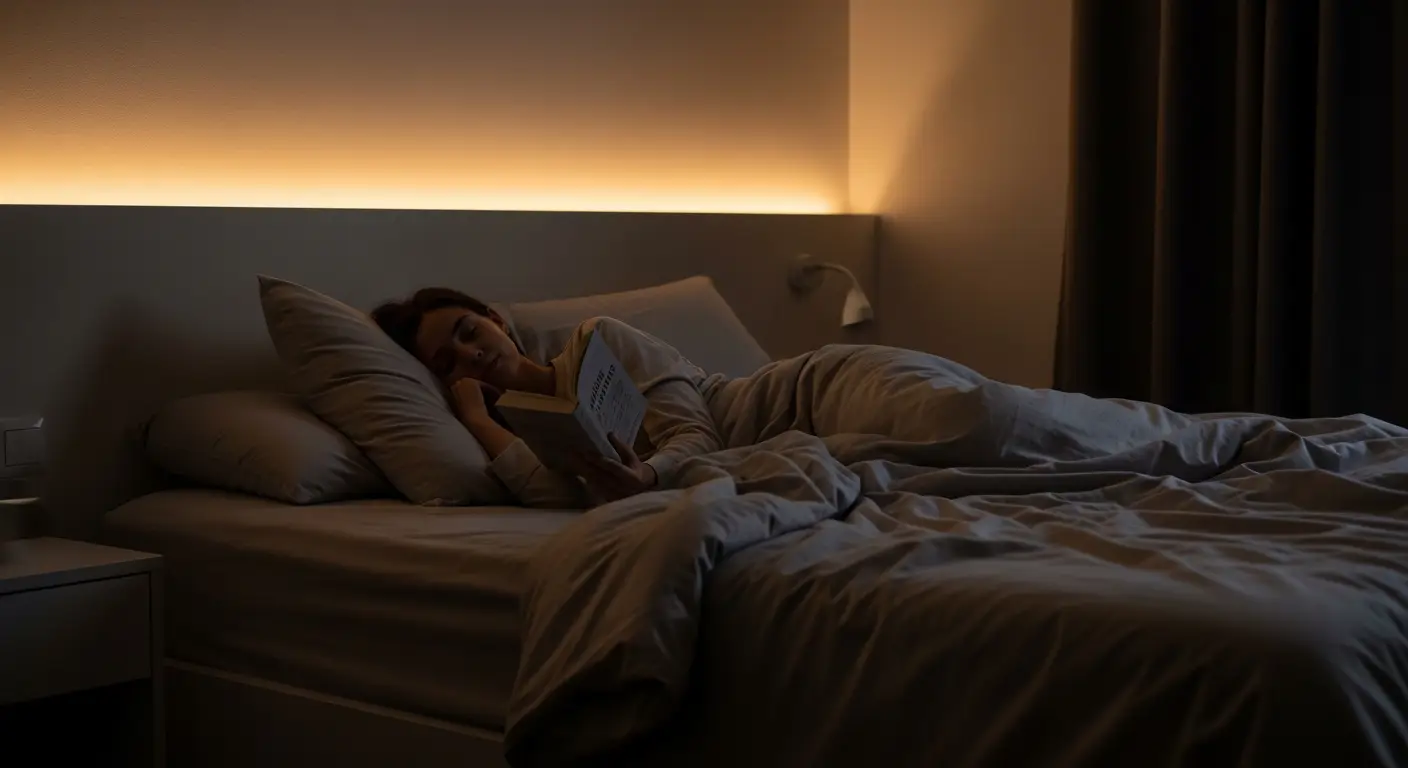
- Create a Bedtime Routine Routines help your brain recognize it’s time to sleep. Try light stretching, reading, or meditation. Avoid screens 1–2 hours before bed.
- Optimize Your Environment Your bedroom should be cool (60–67°F), dark, and quiet. Use blackout curtains, white noise machines, or eye masks to create a sanctuary.
- Limit Late Stimulants Caffeine and nicotine can block melatonin release. Avoid stimulants after early afternoon to ensure you're ready for rest.
- Exercise Regularly Physical activity improves deep sleep. Just be sure to avoid intense workouts within 3 hours of bedtime.
- Mind Your Evening Diet Heavy meals close to bed can disrupt sleep. Opt for light snacks or herbal teas like chamomile if you're hungry.
The Science Behind Sleep Hygiene
Sleep hygiene works because it supports your circadian rhythm — your body’s 24-hour internal clock that regulates sleep, hormones, temperature, and alertness. Good habits align your daily rhythms, helping your brain transition into sleep more efficiently and maintain complete sleep cycles.
In contrast, late screens, erratic schedules, and stimulants disrupt your rhythm and fragment sleep, leading to lower sleep efficiency.
Sleep Hygiene Factor: Do vs. Don't
| Factor | Do (Best Practice) | Don't (Common Error) |
|---|---|---|
| Bedtime Routine | Start 1–2 hrs before | Use phones/Laptops |
| Environment | Cool, dark, quiet | Bright lights |
| Caffeine | Before early afternoon | Evening/night |
| Schedule | Consistent daily | Erratic sleep times |
Sleep Hygiene Do's
- Bedroom dark and cool
- Regular sleep schedule
- Wind down before bed
- Manage evening stress
Sleep Hygiene Don'ts
- Screens before bed
- Caffeine after 2–3 PM
- Heavy meals late
- Long afternoon naps
Common Sleep Hygiene Mistakes
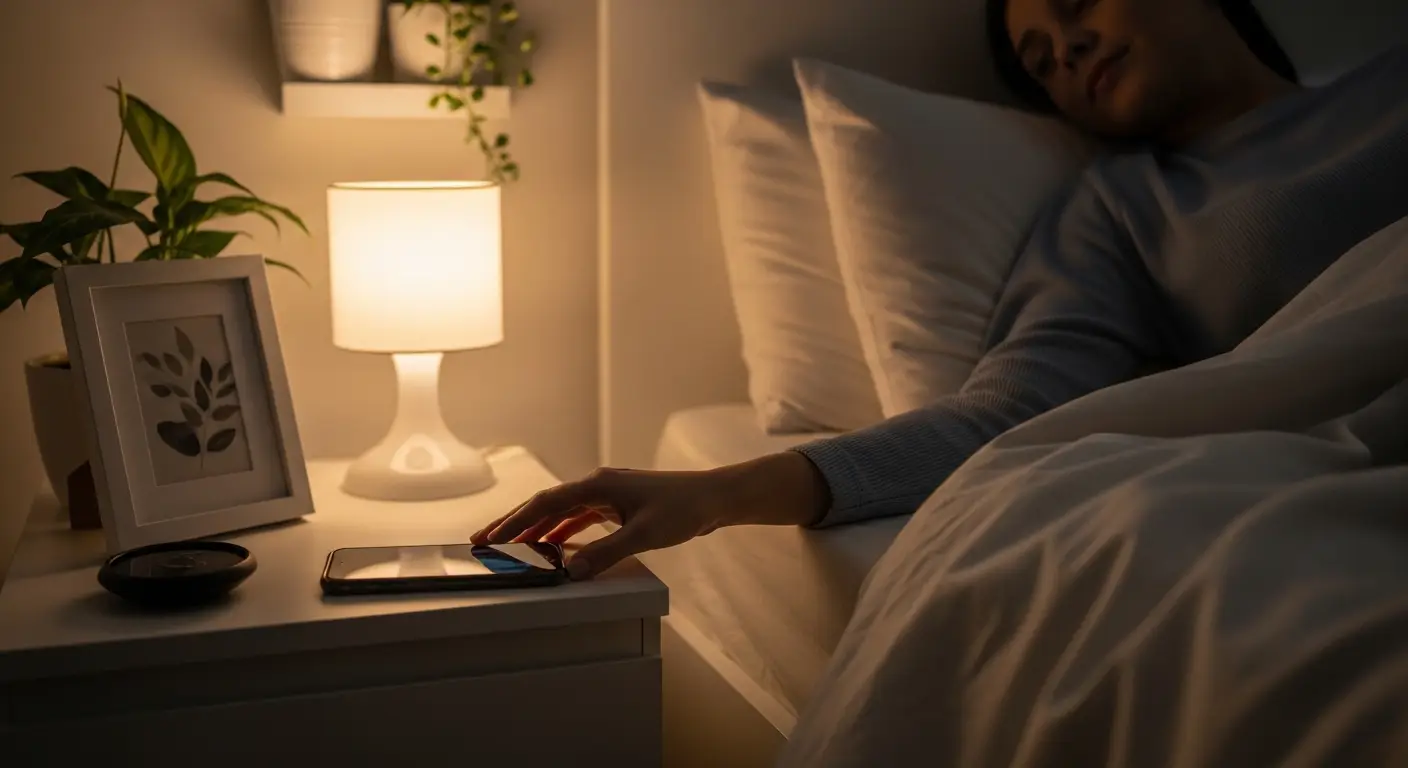
Many people think sleep hygiene is only about hours in bed. But timing and behavior are equally important. Frequent late naps, random wake times, and using your phone as an alarm (which leads to scrolling) are the biggest disruptors.
Frequently Asked Questions
Final Thoughts: Better Habits, Better Sleep
Improving your sleep hygiene is one of the most powerful self-care steps you can take. Start with one or two changes—like the digital sunset or cooling down your room—and build from there. Since morning habits are just as important as nighttime ones, learn how to boost your morning energy naturally or check out our wake up time calculator.
Understanding the sleep cycle science and finding your best time to sleep are the next steps in your sleep optimization journey.
Share Your Tips
What's your favorite sleep hygiene hack? Tell us below!