

The right pillow supports your head, neck, and spine, reduces pain, prevents snoring, and improves your overall rest. This guide will help you understand how to choose the perfect pillow for your sleep style, material preferences, and health needs.
Choosing the **right pillow** is essential for maintaining proper neck alignment, reducing pain, preventing snoring, and enhancing overall sleep quality. Different sleep positions require different pillow types, and pillow material impacts comfort and temperature regulation.
⭐ Why Pillows Matter for Sleep Quality
Spinal Alignment: Maintains spinal neutrality, reducing neck and shoulder pain.
Airway Support: Improves airway alignment, which can reduce snoring.
Temperature Control: Material and loft influence heat regulation for comfort.
Sleep Cycles: Supports better transitions into REM and deep sleep phases.
Your pillow isn't just a comfortable place to rest your head — it's a critical tool for spinal alignment, muscle relaxation, and airway support throughout the night.
A good pillow maintains the natural "C-curve" of your cervical spine (neck). This neutral position allows muscles to fully relax, airways to stay open, and the nervous system to enter deep restorative states.
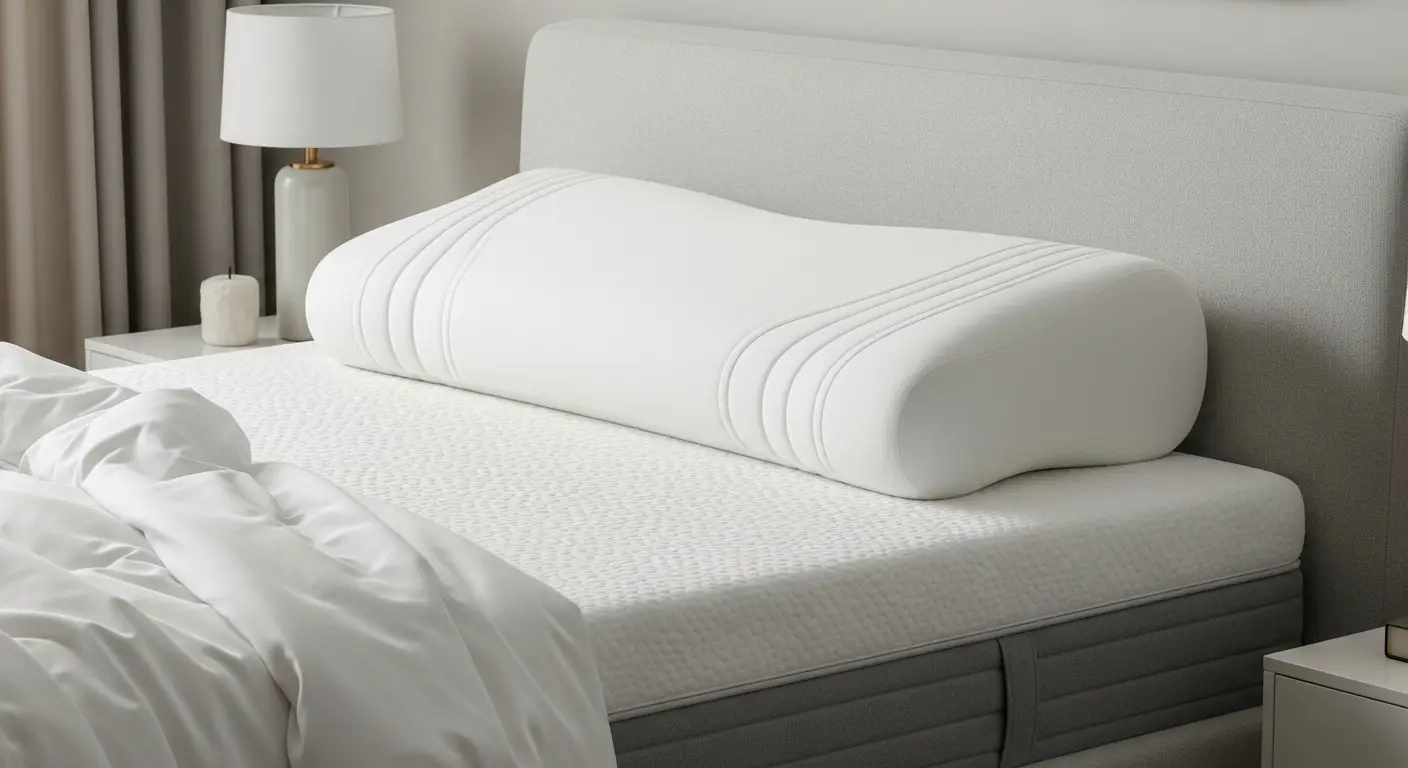
Traditional vs Ergonomic Pillow Support
| Aspect | Traditional Pillow | Ergonomic Pillow |
|---|---|---|
| Neck Support | Often flat or lumpy | Contoured cervical curve |
| Sleep Position | One-size-fits-all | Designed for specific positions |
| Material Recovery | Loses shape quickly | High-density, maintains shape |
| Longevity | 6-12 months | 2-3 years |
🌙 How to Choose the Right Pillow
1️⃣ Consider Your Sleep Position
Back Sleepers
Recommendation: Medium-loft pillow.
Supports the natural curve of
the neck without pushing it forward.
Side Sleepers
Recommendation: Firm, thicker pillow.
Fills the space between
shoulder and ear for neutrality.

2️⃣ Pillow Materials and Benefits
| Material | Comfort & Support | Sleep Benefits | Longevity |
|---|---|---|---|
| Memory Foam | Contours to head & neck | Reduces pressure points | 3-5 years |
| Latex | Firm, responsive | Hypoallergenic, breathable | 5-7 years |
| Down / Feather | Soft, adjustable | Lightweight, luxurious | 2-4 years |
| Buckwheat | Firm, adjustable | Excellent airflow | 3-5 years |
| Polyester | Budget-friendly | Soft but less durable | 1-2 years |
Temperature Regulation
Memory foam can trap heat; consider gel-infused variants. Down alternatives and buckwheat pillows allow better airflow for hot sleepers.
Quick Tips for Pillow Maintenance
- Replace pillows every 1 to 3 years depending on material.
- Wash pillowcases weekly and pillows regularly.
- Fluff daily to maintain shape and support.
- Use pillow protectors for allergy control.
🧠 Science Behind Pillows and Sleep Quality

Pillows influence sleep quality through several biological and ergonomic mechanisms:
- Spinal alignment: Correct alignment prevents neck and back strain by keeping the cervical spine neutral.
- Airway optimization: Reduces snoring and sleep apnea risk by positioning the head to keep airways open.
- Pressure point relief: Prevents discomfort that disrupts REM sleep by redistributing weight evenly.
- Temperature regulation: Optimal warmth and breathability maintain uninterrupted sleep cycles.
Research shows proper pillow support reduces neck and shoulder discomfort, improves sleep efficiency, and contributes to higher-quality deep sleep.
📊 Structured Pillow Comparison Table
| Sleep Position | Recommended Pillow | Loft | Material | Key Benefit |
|---|---|---|---|---|
| Back | Contoured memory foam | Medium | Memory foam | Neck support & alignment |
| Side | Firm thick pillow | High | Latex | Shoulder gap support |
| Stomach | Soft thin pillow | Low | Down/feather | Prevent neck strain |
| Adjustable | Buckwheat | Custom | Buckwheat | Contours & airflow |
Final Thoughts
Your pillow is one of the most overlooked tools for improving sleep quality. The right neck support can reduce pain, improve breathing, and unlock deeper, more restorative sleep. For more on optimizing your rest, explore our sleep cycle calculator, calculate your ideal wake up time, or learn about the circadian rhythm.
Share Your Experience
Have you found the perfect pillow? Share your stories below!